In the fast-paced business world, efficiency and quick decision-making are key to the smooth functioning and steady growth of an organization. To achieve this, businesses are increasingly adopting technologies, such as artificial intelligence (AI), machine learning (ML), and normal balance robotic process automation (RPA). By combining AI-powered bookkeeping, agentic workflows, continuous close and real-time reporting, organizations can move from reactive finance operations to proactive, strategic financial leadership. As technology matures, autonomous accounting will define the future of finance — and those who embrace it early will gain a powerful competitive advantage.
- For a successful transition to an automated ERP system, it’s crucial to have a structured ERP project plan to avoid common implementation challenges.
- They give accountants more insights without adding extra work, helping firms deliver deeper value to clients.
- Emagia’s AI-powered platform is engineered to transform your entire order-to-cash cycle into an autonomous powerhouse.
- This 2025 guide shows how to pick solutions that enable speed, auditability, and autonomy.
- At the heart of this revolution are autonomous systems, which are enabling companies to drive innovation, improve efficiency, and increase competitiveness.
- The precision offered by autonomous systems ensures that financial statements are reliable, reducing the need for time-consuming audits and corrections.
Case Study: Autonomous Finance Program at a Large Enterprise

Unlike traditional automation, which only performs repetitive tasks, these systems use artificial intelligence to make contextual decisions. Withmachine learning in Bookkeeping 101 finance, they continuously learn from financial data patterns and optimize processes for greater accuracy and speed. The future of finance is increasingly autonomous and integrated, promising even greater agility and resilience. In today’s fast-paced business environment, the need for efficiency and accuracy in accounting has never been greater. Automation in accounting is a game-changer, offering numerous benefits that can transform the way businesses manage their finances.
- On the next screen is where we engage with the client to adjust various parameters.
- With the implementation of blockchain technology, companies can further improve financial reporting as the technology provides a single source of truth for all the financial data.
- This elevation of the finance role aligns with modern CFO predictions, which foresee finance leaders becoming more integral to overall business strategy.
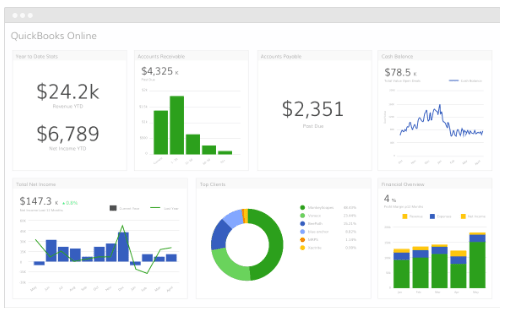
- For financial reporting, data can be automatically collected, consolidated, and presented in real-time dashboards, eliminating manual report generation.
- This comprehensive data collection leads to more personalized marketing strategies and improved customer experiences, contributing to increased customer loyalty and sales.
- Common automation tools and software used in accounting include automated journal entries, ASC 606 automation software, payroll processing software, invoice management software, and financial reporting software.
Human Resources and Payroll Management

Finance automation focuses on streamlining routine accounting and reporting processes through technology. In contrast, autonomous finance enables systems that think, predict, and act independently—ushering in a self-driving financial future powered by AI in finance and machine learning in finance . This article explores what sets them apart, their evolution, and how businesses can leverage both for sustainable growth. The future of AEC accounting will be rooted in AI and autonomous finance capabilities. Through careful planning, technology investment, and a focus on change management, organizations can position themselves for success in a competitive landscape.
- From automating data entry and reconciliation to detecting anomalies and assisting in decision-making, AI has made significant improvements in the lives of accounting professionals.
- These systems analyze historical data to predict future trends in cash flow, expenses, and revenues.
- Autonomous systems can also improve the accuracy and quality of products and services.
- This enhanced accuracy is crucial for businesses that need to maintain compliance with regulatory requirements and ensure the integrity of their financial data.
- Automation in accounting is a game-changer, offering numerous benefits that can transform the way businesses manage their finances.
Choosing the Right Automation Tools

Artificial intelligence (AI) and machine learning help automate data analysis and recognize patterns in large financial data sets. These technologies reduce errors by flagging unusual transactions or inconsistencies automatically. Accounting automation replaces manual bookkeeping and data entry with software tools. It handles tasks like invoicing, bank reconciliations, and expense tracking without much human effort. This reduces errors caused by manual work and speeds up processes that used to take hours or days.
Forrester Recognizes HighRadius in The AR Invoice Automation Landscape Report, Q1 2023

It’s our promise to always go further, delivering results beyond your expectations. The increasing complexity of modern embedded systems demands high reliability from their processors…. By embracing autonomous agent pricing models today, SaaS leaders can position their companies for greater agility, efficiency, and profitability in the dynamic markets of autonomous accounting tomorrow. According to a McKinsey study, companies that implement AI-driven pricing strategies see revenue increases of 3-8% within months of deployment. Agentic pricing takes this further by continuously refining price points across product portfolios.